Fluency Triangle worksheets is a tool for developing reading automaticity through repeated reading practice. Using the power of repeated exposure and incremental challenge, these UFLI worksheets for Kindergarten help transform word recognition from a laborious process into automatic, confident reading. As part of effective UFLI worksheets for kindergarten, Fluency Triangle activities build the automaticity that supports comprehension. Let's explore how this simple structure creates powerful reading growth.
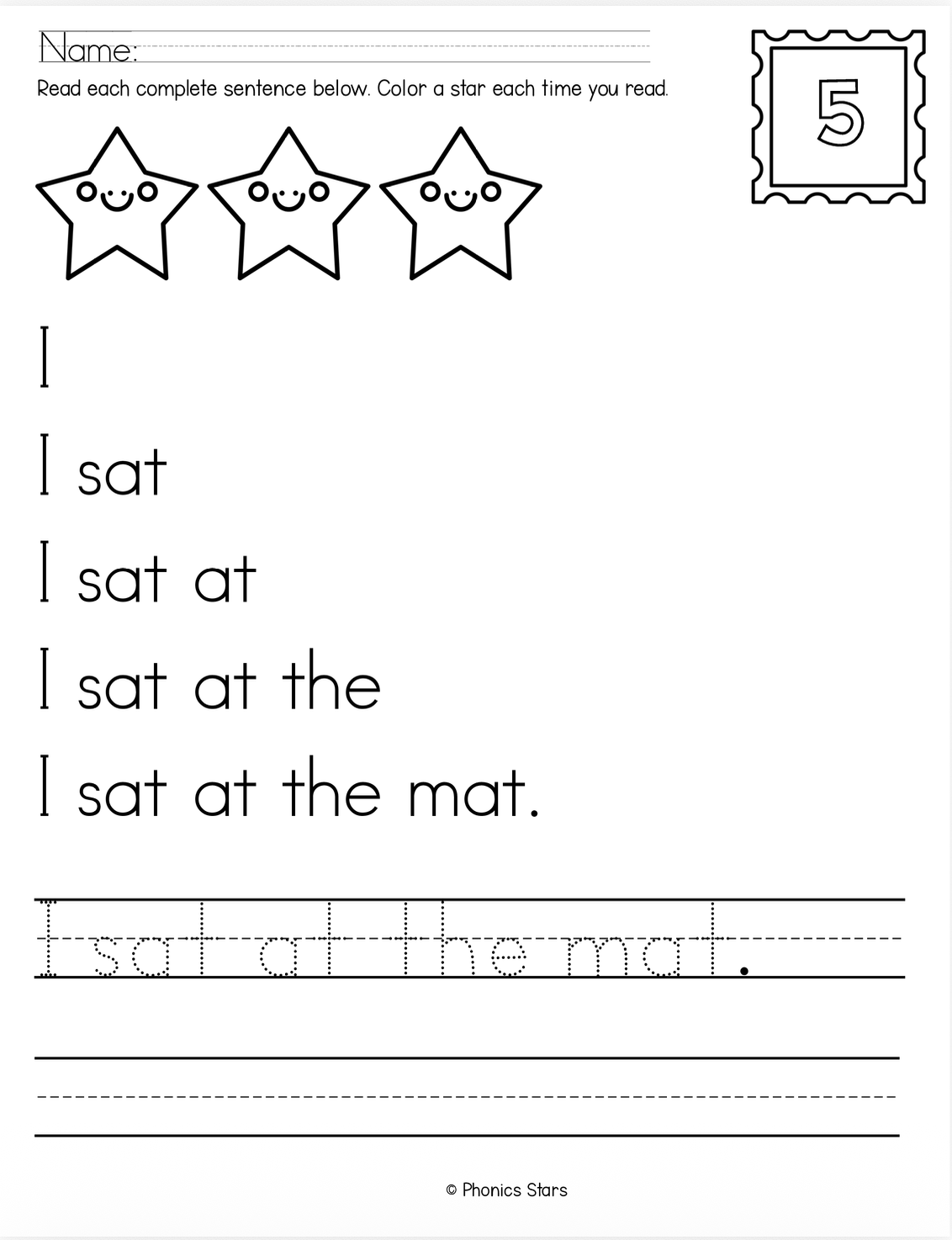
What Are Fluency Triangle Worksheets?
Fluency Triangle worksheets present one decodable sentences per page arranged in a triangle format. Students read the same sentences multiple times in a single session, with each reading becoming faster and more fluent. The triangular arrangement symbolizes the progression from word-by-word decoding to smooth, automatic reading.
The Science Behind Repeated Reading
Repeated reading is an effective intervention for building reading fluency. When students read the same text multiple times, they:
- Shift cognitive resources from decoding to comprehension
- Build automaticity with word recognition
- Develop prosody and expression
- Increase reading speed and accuracy
- Build confidence and motivation through visible progress
Why Fluency Matters in Kindergarten
Reading fluency is the bridge between decoding and comprehension. Kindergarteners who read word-by-word use all their cognitive energy on pronunciation, leaving little capacity for understanding. UFLI worksheets for kindergarten, particularly Fluency Triangle activities, build the automaticity that frees up mental resources for the real purpose of reading: comprehension.
How to Use Fluency Triangle Worksheets
Best Practices for Maximum Benefit:
- Small Group Setting - Ideal for fluency-focused instruction with similar readers
- Multiple Reads - Have students read the same triangle 3-4 times in one session
- Celebrate Progress - Point out improvements in speed and accuracy
- Vary Presentation - Whisper reads, fast reads, expressive reads add engagement
- Partner Reading - Pair stronger readers with those needing support
Building Automaticity That Sticks
The power of Fluency Triangle worksheets lies in their systematic approach to building automatic word recognition. When implemented as part of comprehensive UFLI worksheets for kindergarten, each triangle uses decodable sentences aligned to current phonics instruction, ensuring students practice words they can decode while building speed and confidence. This alignment ensures that the fluency practice reinforces the phonetic decoding strategies students are actively learning.
From Slow to Smooth: The Fluency Triangle Effect
Watch what happens when you use Fluency Triangle worksheets consistently:
- First Read - Students read carefully, word-by-word, with attention to accuracy
- Second Read - Reading becomes slightly faster as words become familiar
- Third Read - Automaticity increases, students can attend to expression
- Fourth Read - Smooth, confident reading with appropriate pacing
Fluency Triangles as Assessment Tools
Beyond instruction, Fluency Triangle worksheets serve as formative assessment. By observing how students' reading changes across repeated readings, you can identify:
- Students struggling with automaticity
- Decoding difficulties with specific word patterns
- Students ready to move to more complex text
- Confidence and motivation patterns